
Incident Management
End-to-end incident lifecycle management from reporting to investigation to closure.
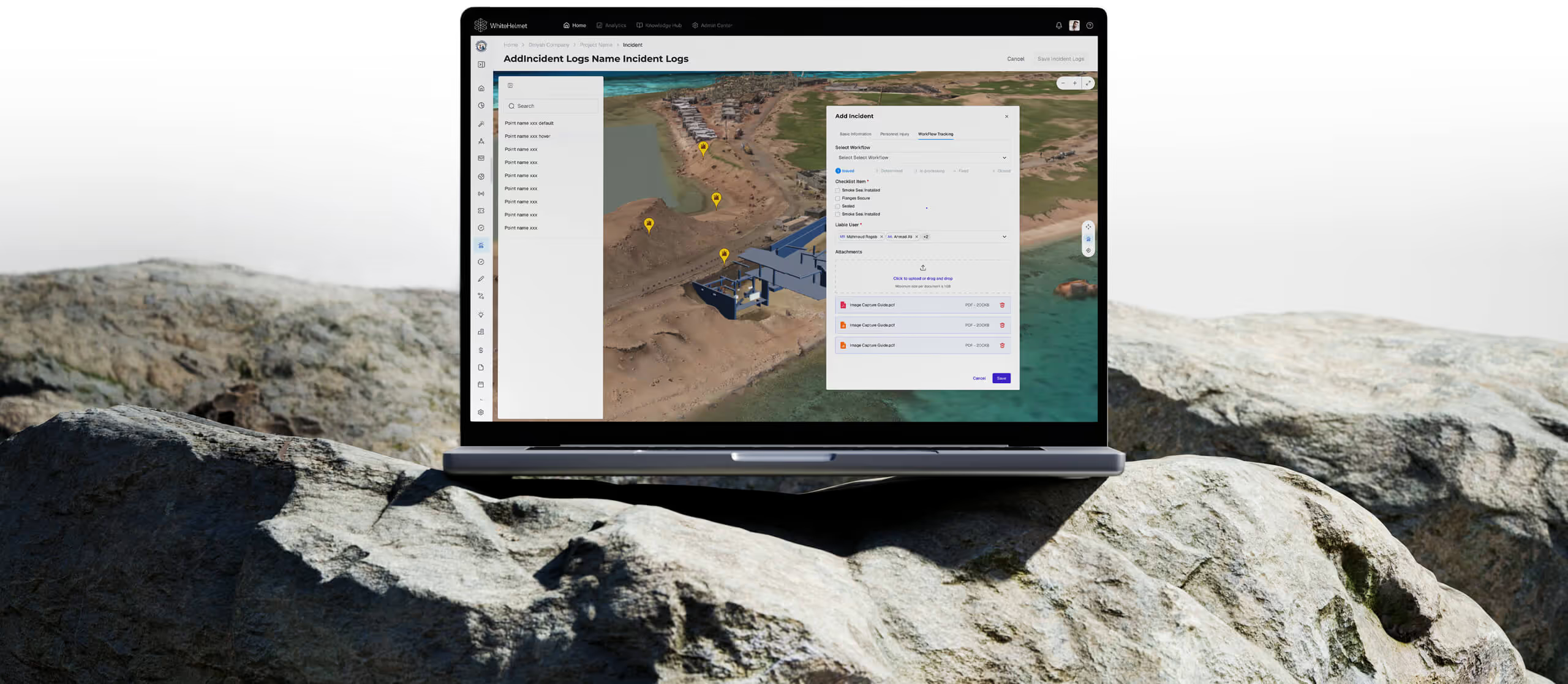
Respond Faster. Investigate Deeper. Prevent Recurrence.
Digitize your entire incident lifecycle — from initial report and geo-tagged documentation through SOP-driven investigation workflows to corrective actions and closure. Incident Management ensures every incident is handled consistently and patterns are identified to take preventive action.
Digital Incident Reporting
SOP-Driven Investigation Workflows
Geo-Tagged Incident Mapping
Incident Analytics Dashboard
.avif)
Digital Incident Reporting
Log incidents from the field with structured forms, photo/video evidence, and automatic geo-tagging. Pre-configured templates ensure all required data is captured consistently.
SOP-Driven Investigation Workflow
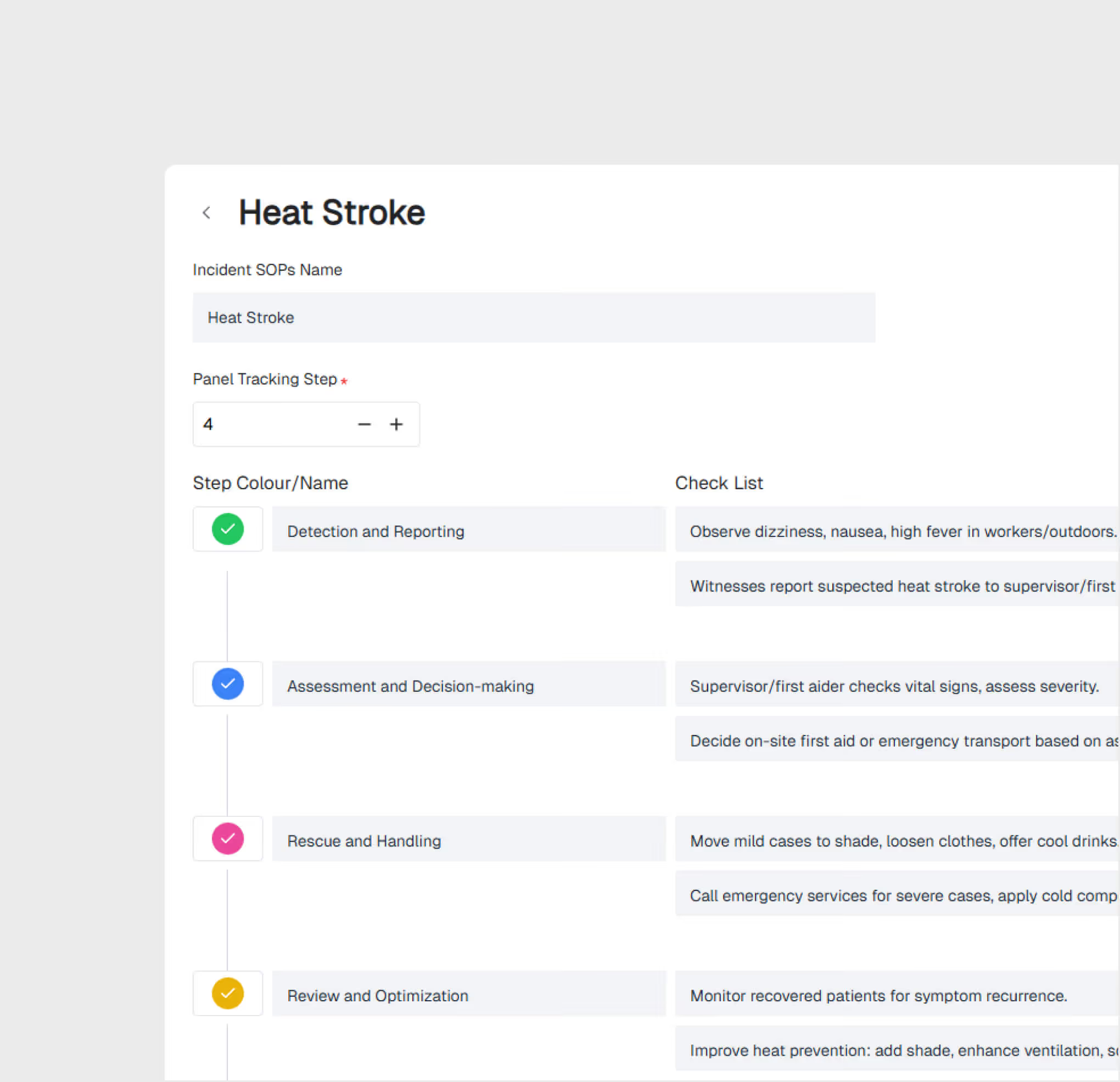
Trigger standardized investigation workflows automatically based on incident severity. SOPs guide investigators through each step — ensuring consistency and completeness.
Geo-Tagged Incident Visualization
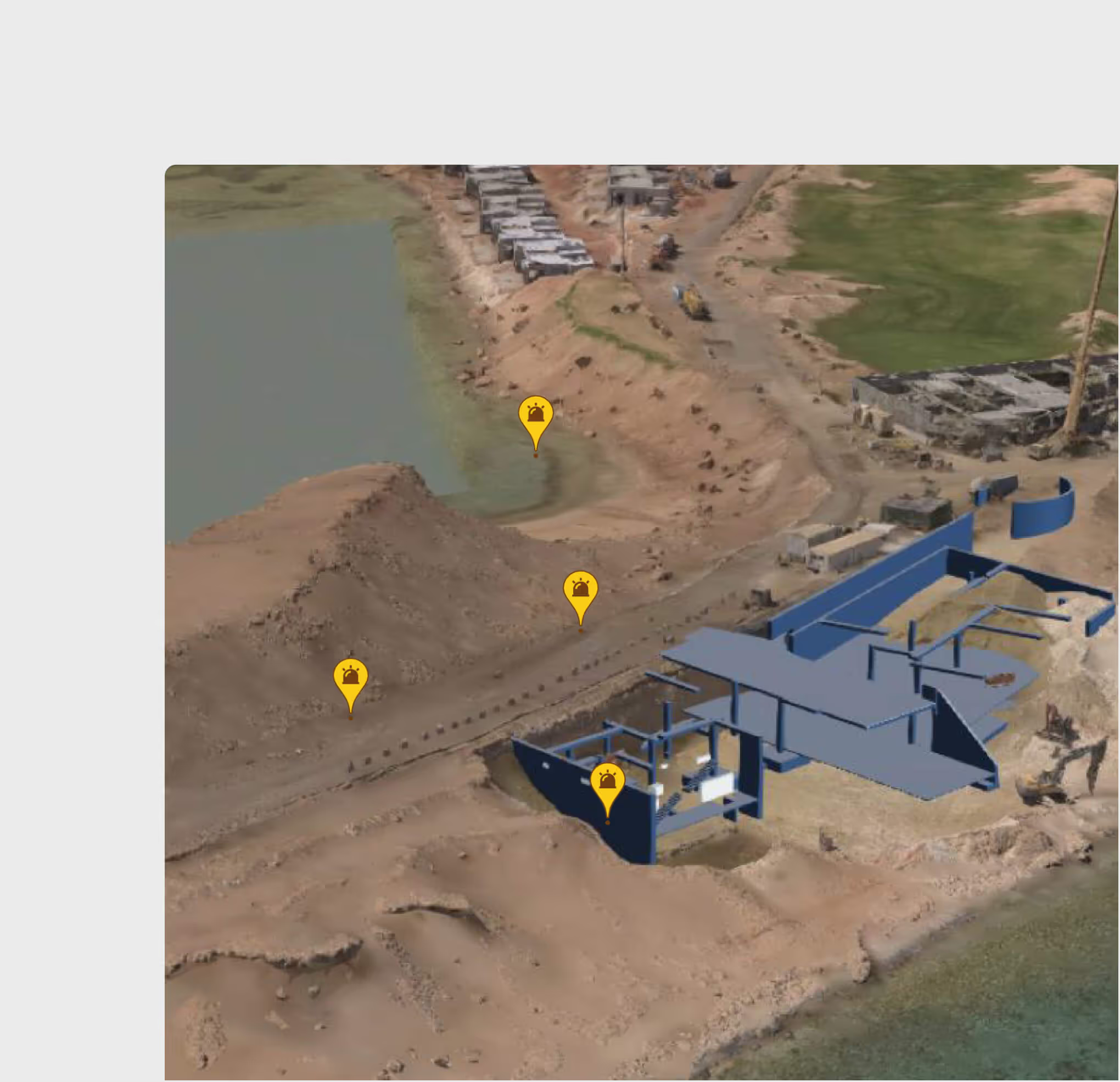
View all incidents on the project GIS map. Identify spatial patterns, high-risk zones, and recurring incident locations for targeted prevention strategies.
Incident Dashboard & Analytics
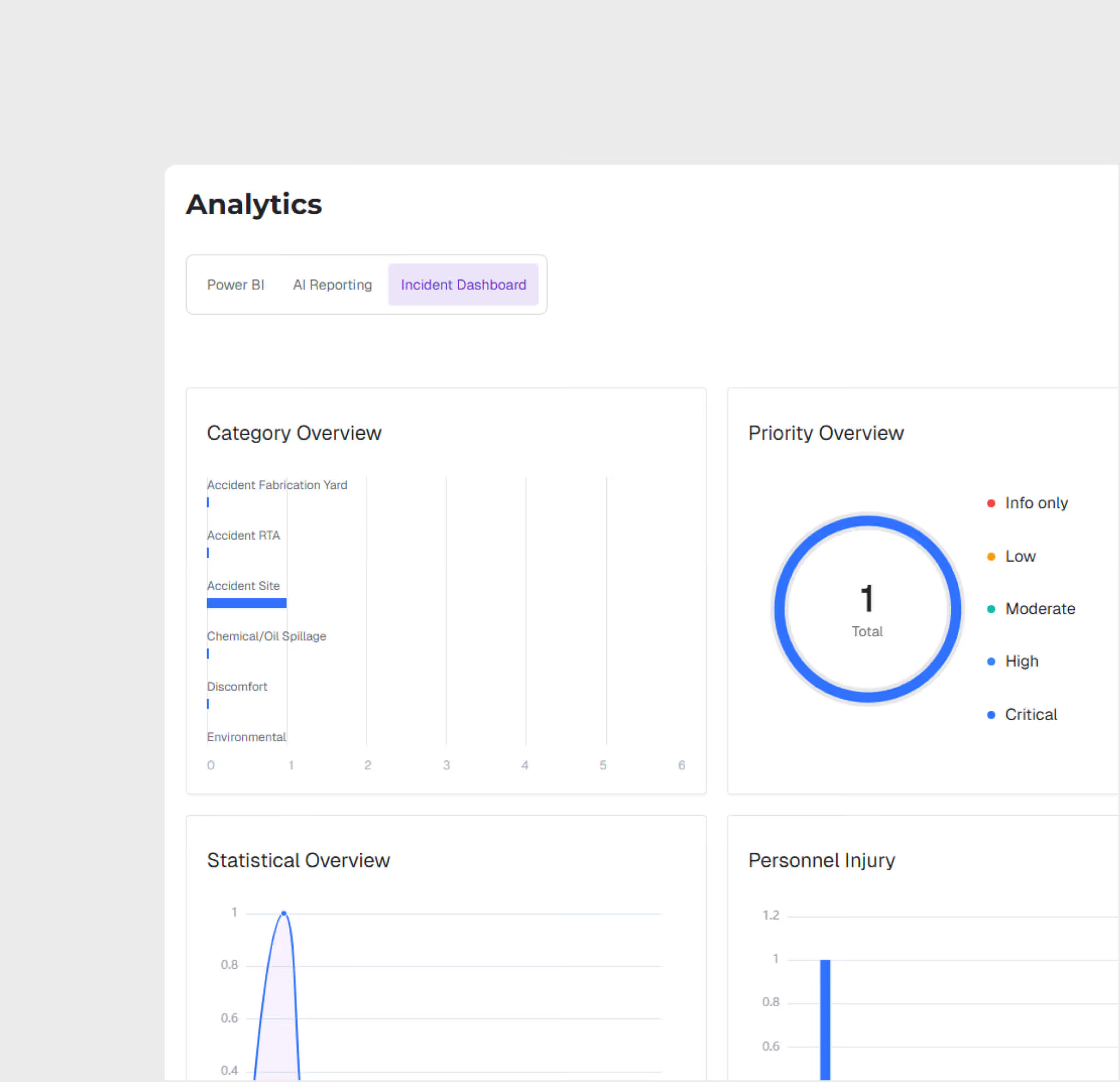
Track incident trends, response times, resolution rates, and severity distributions. Generate regulatory reports and identify patterns for proactive safety management.
Incident Management is most useful for:
HSE Managers
Incident Lifecycle Oversight
Manage the full incident lifecycle from report to closure, ensure SOP compliance for investigations, and track corrective action completion.
Site Supervisors
Rapid Incident Reporting
Report incidents in the field immediately using mobile forms with geo-tagging and photo evidence — eliminating delayed paper-based reporting.
QHSE Directors
Trend Analysis & Prevention
Analyze incident patterns across the project portfolio, identify systemic risks, and implement preventive measures based on data — not intuition.
"Previously all our incidents were called in across site with no visibility in patterns and areas to improve. With WhiteHelmet Incident Management, we quickly identified the largest areas of improvement and were able to attain an accurate report of incidents per month."
.avif)
Frequently asked questions
Yes. Every analysis is logged with input files, evaluation criteria, results, and timestamps — creating a full audit trail.
Yes. The custom prompt settings allow you to provide specific instructions and background information to attain a higher accuracy analysis across your designs.
Accuracy depends on the quality of your knowledge base and input documents. The AI is designed to augment — not replace — human reviewers by pre-screening and flagging potential issues.
You connect your project knowledge base containing specifications, standards documents, and reference materials. The AI uses this context to evaluate designs against your specific requirements.
The AI supports architectural, structural, MEP, and civil design documents in standard formats including PDF, JPG, and PNG formats.
Asif uses your uploaded knowledge base documents as context for answering questions. The more comprehensive your knowledge base, the better the answers.
WhiteHelmet products Incident Management works well with

Field Intelligence
