
Audit Management
Structured audit planning, execution, and corrective action tracking for construction compliance.
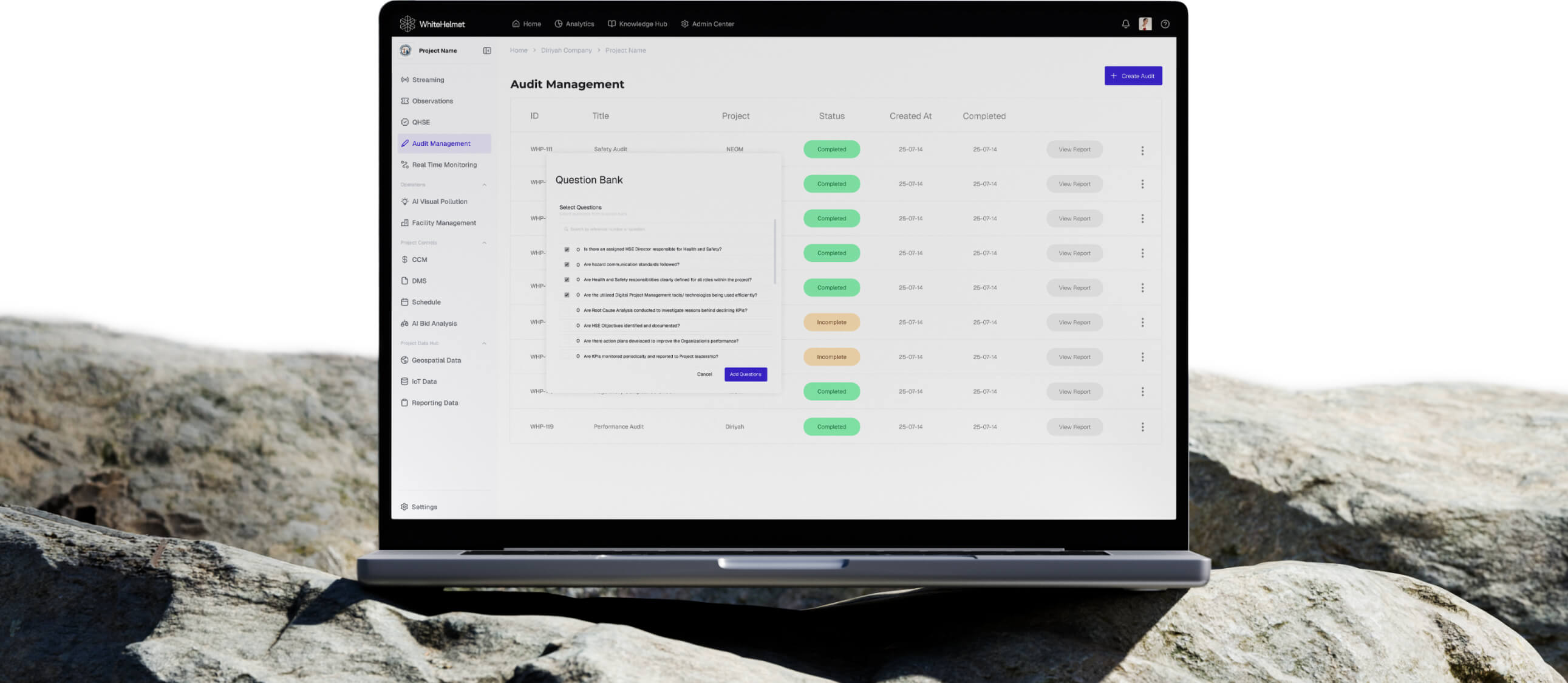
Audit with Confidence. Close Findings Faster.
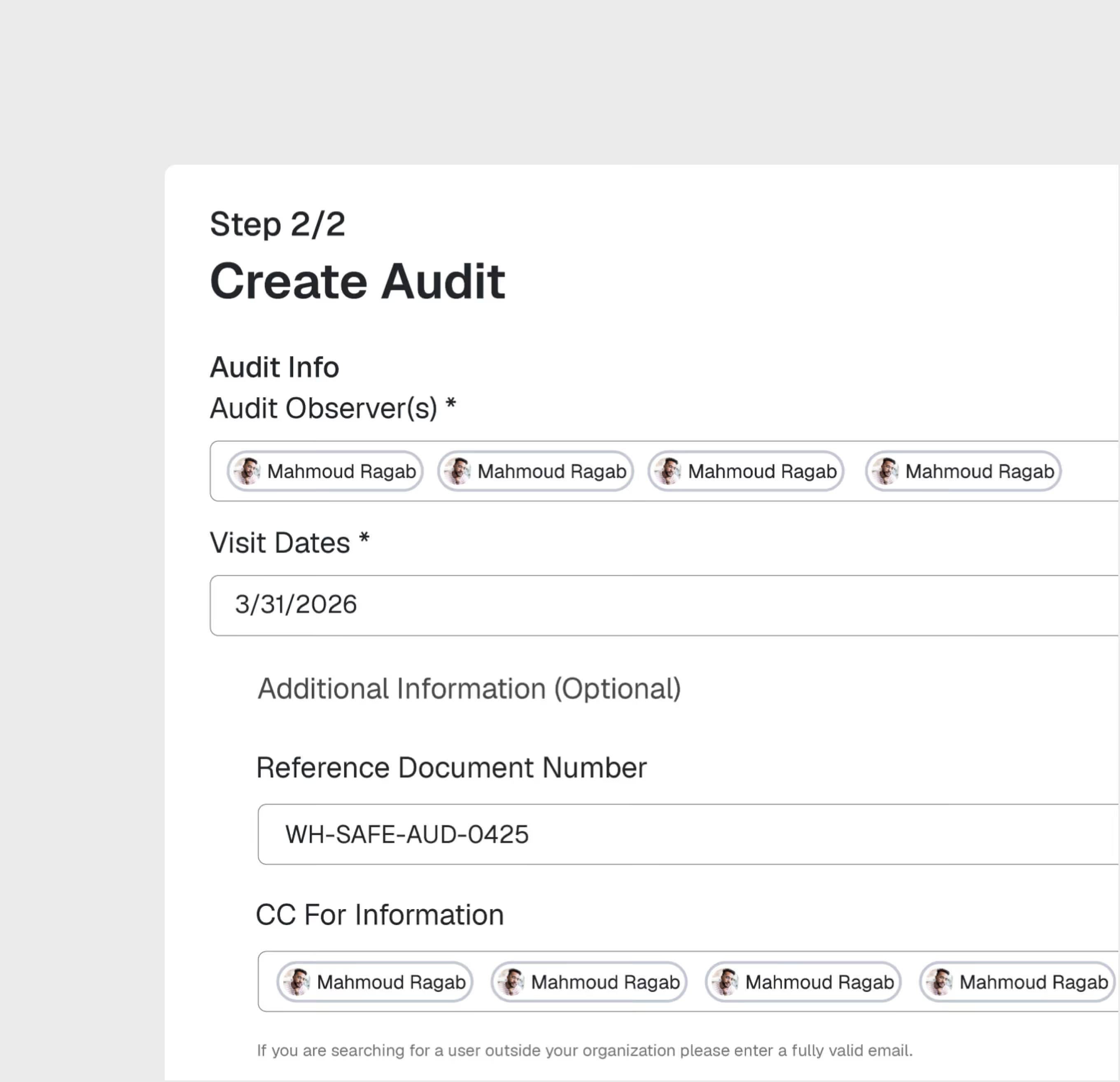
Plan audits, execute with structured checklists, and track findings through corrective action closure. Audit Management provides a complete system for ISO, safety, environmental, and project-specific audits.
Audit Planning & Scheduling
Configurable Audit Checklists
Finding & CAR Management
Role-Based Access Control
Audit Reports & Analytics
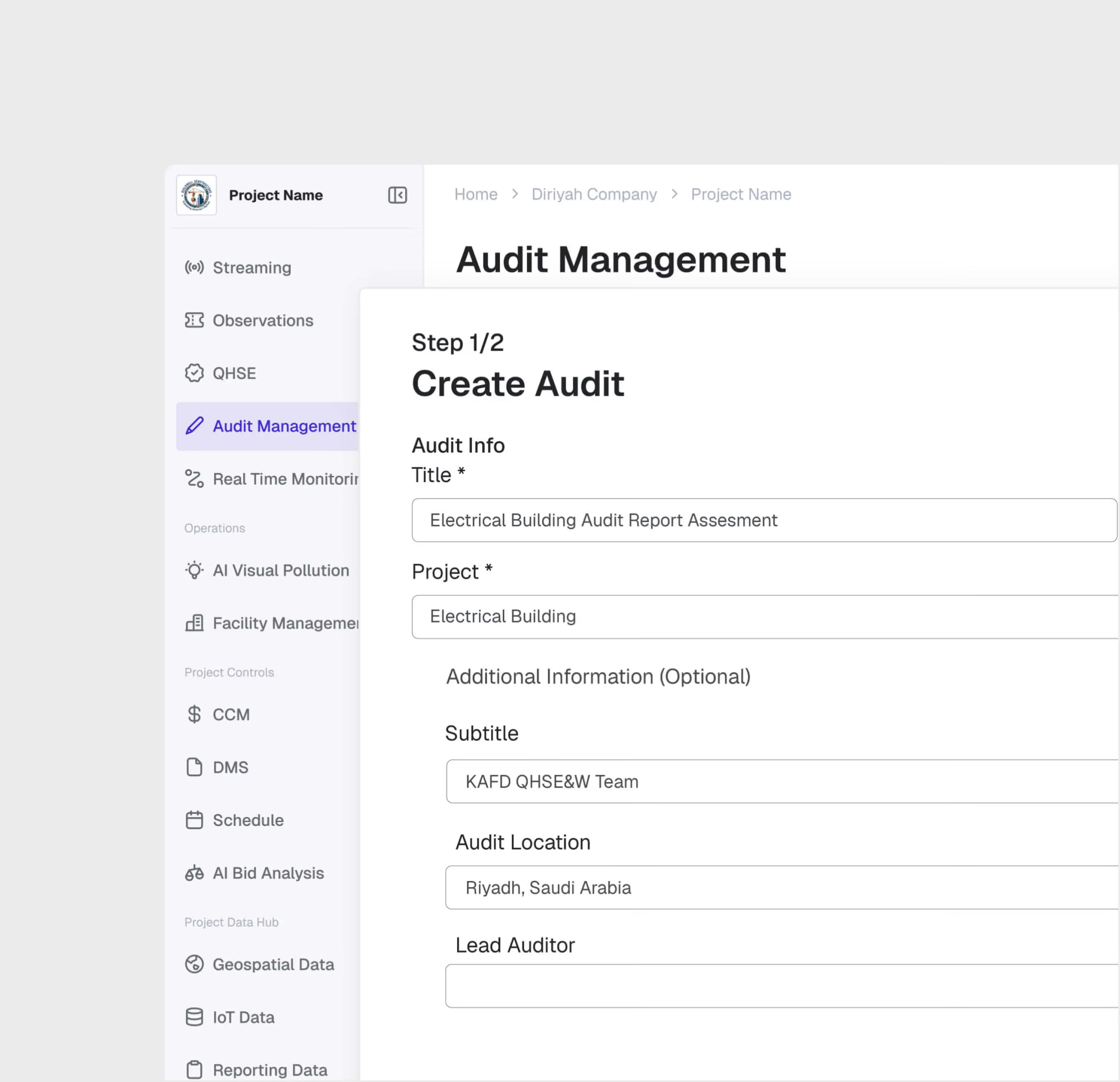
Audit Planning & Setup
Plan audits by type (ISO, safety, environmental, project-specific), assign auditors, set schedules, and configure checklists tailored to each audit scope.
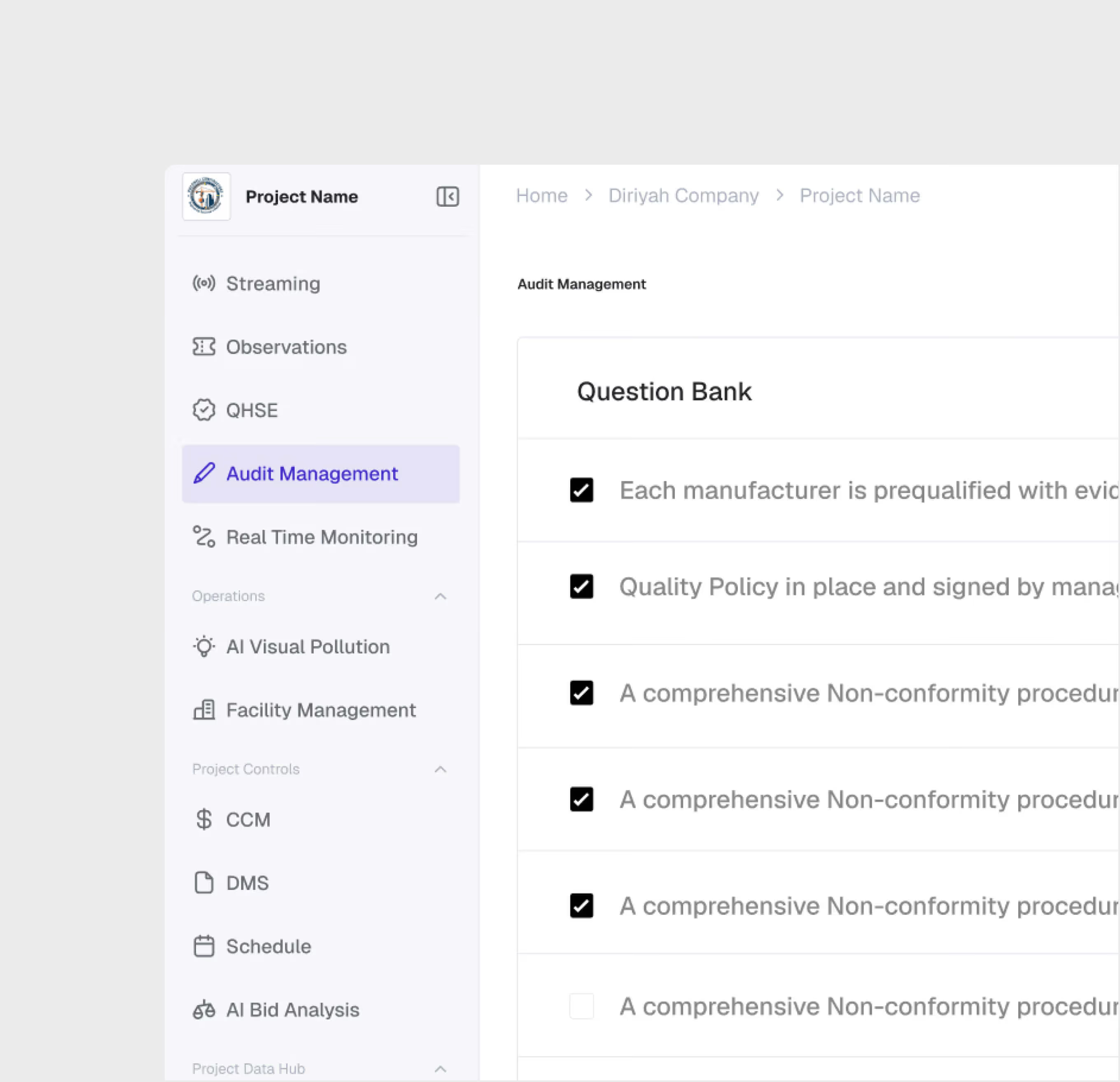
Structured Checklist Execution
Auditors execute inspections using configurable checklists with mandatory evidence requirements. Each item is scored with pass/fail/NA and supporting documentation.
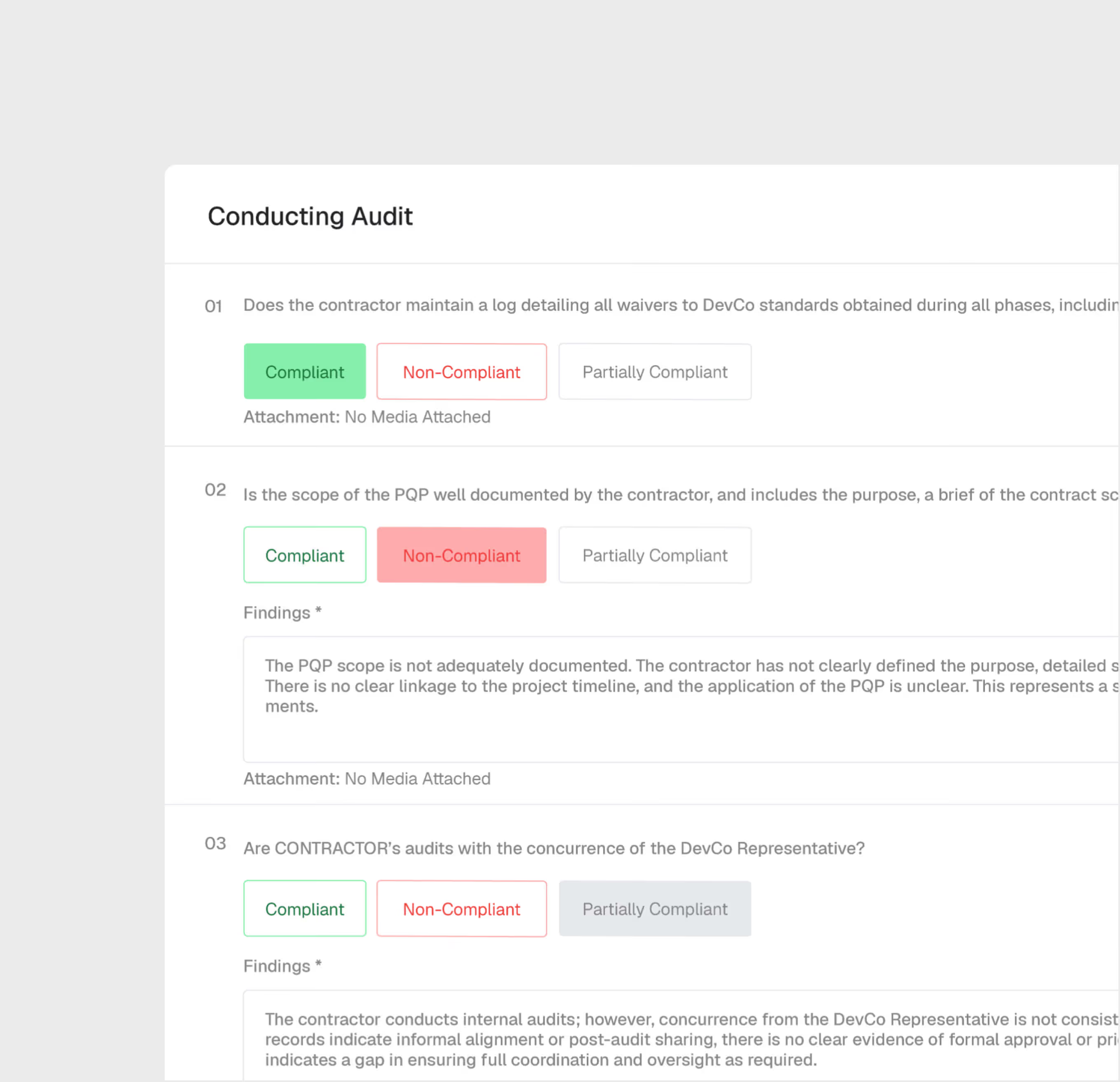
Finding Management & CARs
Log audit findings with severity levels, assign corrective action requests (CARs) to responsible parties, and track each finding through remediation and verification.
Role-Based Access
Control who can plan, execute, review, and close audits. Segregation of duties ensures audit integrity and prevents conflicts of interest.
Audit Analytics & Reporting
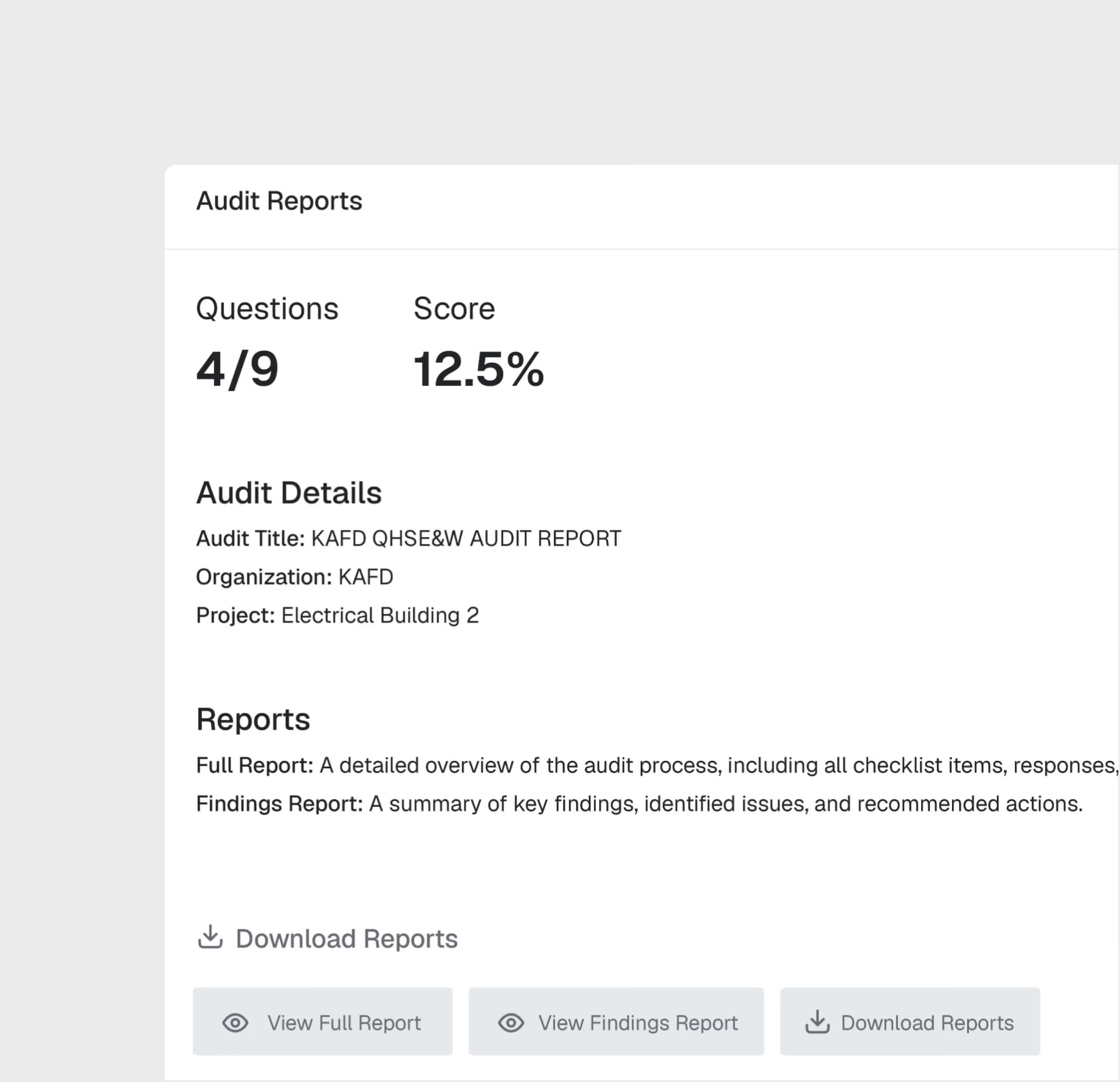
Track audit completion rates, finding trends, CAR closure times, and compliance scores. Generate management reports and certification-ready documentation.
Audit Management is most useful for:
Internal Auditors
Structured Audit Execution
Execute audits using digital checklists with evidence capture, score findings on-site, and generate reports automatically — replacing manual audit paperwork.
Compliance Managers
Certification Readiness
Track audit schedules, monitor CAR closure rates, and ensure the organization is always ready for external certification audits.
Project Directors
Compliance Oversight
Monitor audit health across projects — completion rates, open findings, overdue CARs — and address systemic compliance gaps.
"We passed our ISO 14001 recertification audit with zero major findings. The digital audit trail and CAR tracking system made preparation effortless."
.avif)
Frequently asked questions
Yes. All geo-tagged incidents are displayed on the GIS map, enabling spatial analysis of incident patterns and high-risk zone identification.
GIS 3D supports IFC and RVT for BIM models, LAS/LAZ for point clouds, and standard image formats for drone orthomosaics and aerial imagery.
Yes. GIS 2D and GIS 3D share the same geospatial foundation. You can switch between 2D planning views and 3D visualization views seamlessly.
When an incident is logged, the user selects the appropriate SOP-based workflow based on incident type and severity, guiding investigators through each required step.
WhiteHelmet products Audit Management works well with

Field Intelligence
