
AI Compliance Analysis
Automated regulatory compliance checking that scans 100+ pages against building, safety, and environment codes in minutes.
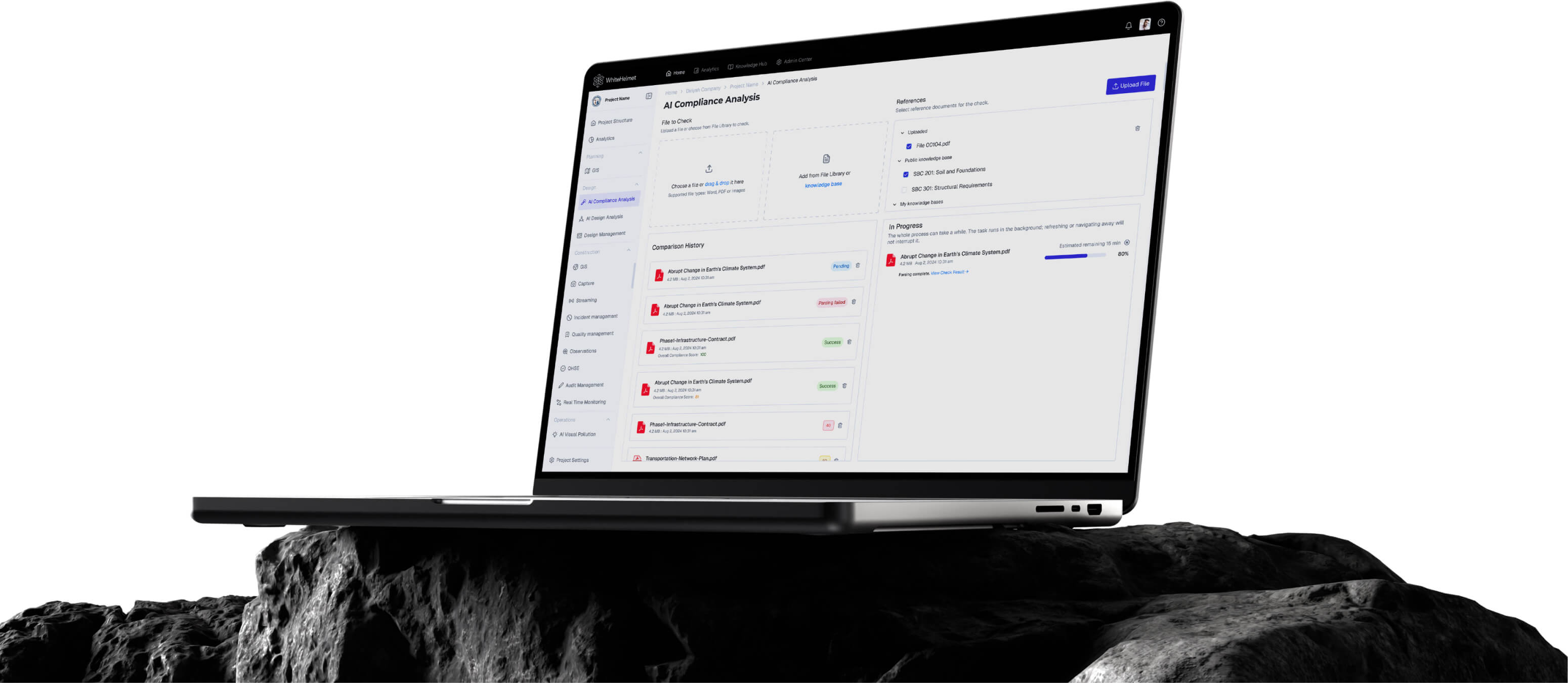
Never Miss a Code Violation Again.
Upload project documents and let AI scan them against Building Code, fire safety standards, and regulatory requirements. AI Compliance Analysis replaces weeks of manual code checking with automated, traceable compliance verification.
Automated Code Compliance Scanning
Saudi Building Code (SBC) Coverage
Fire & Safety Standards Check
Clause-Level Gap Identification
Compliance Reports with Evidence
Regulatory Compliance Engine
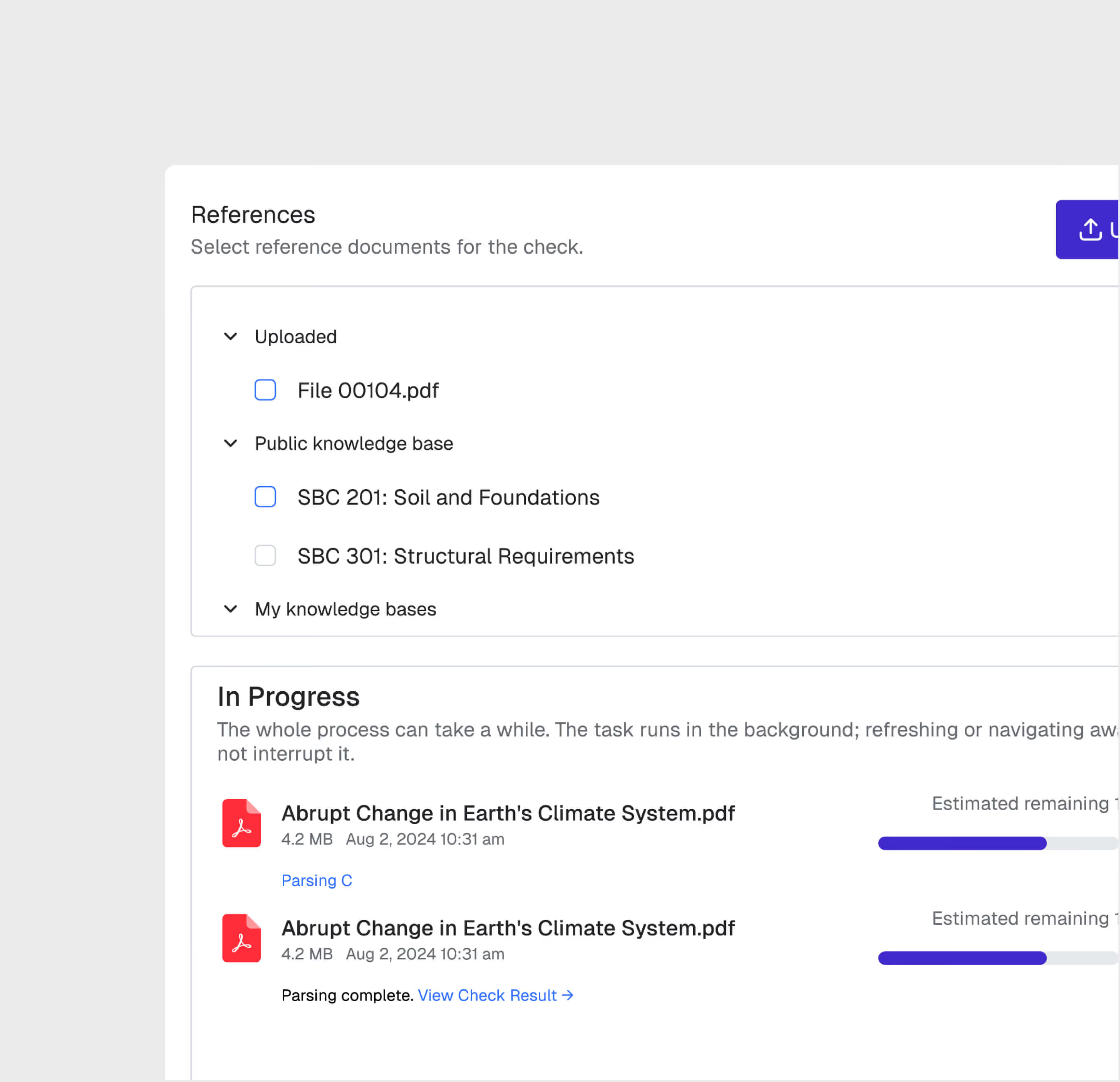
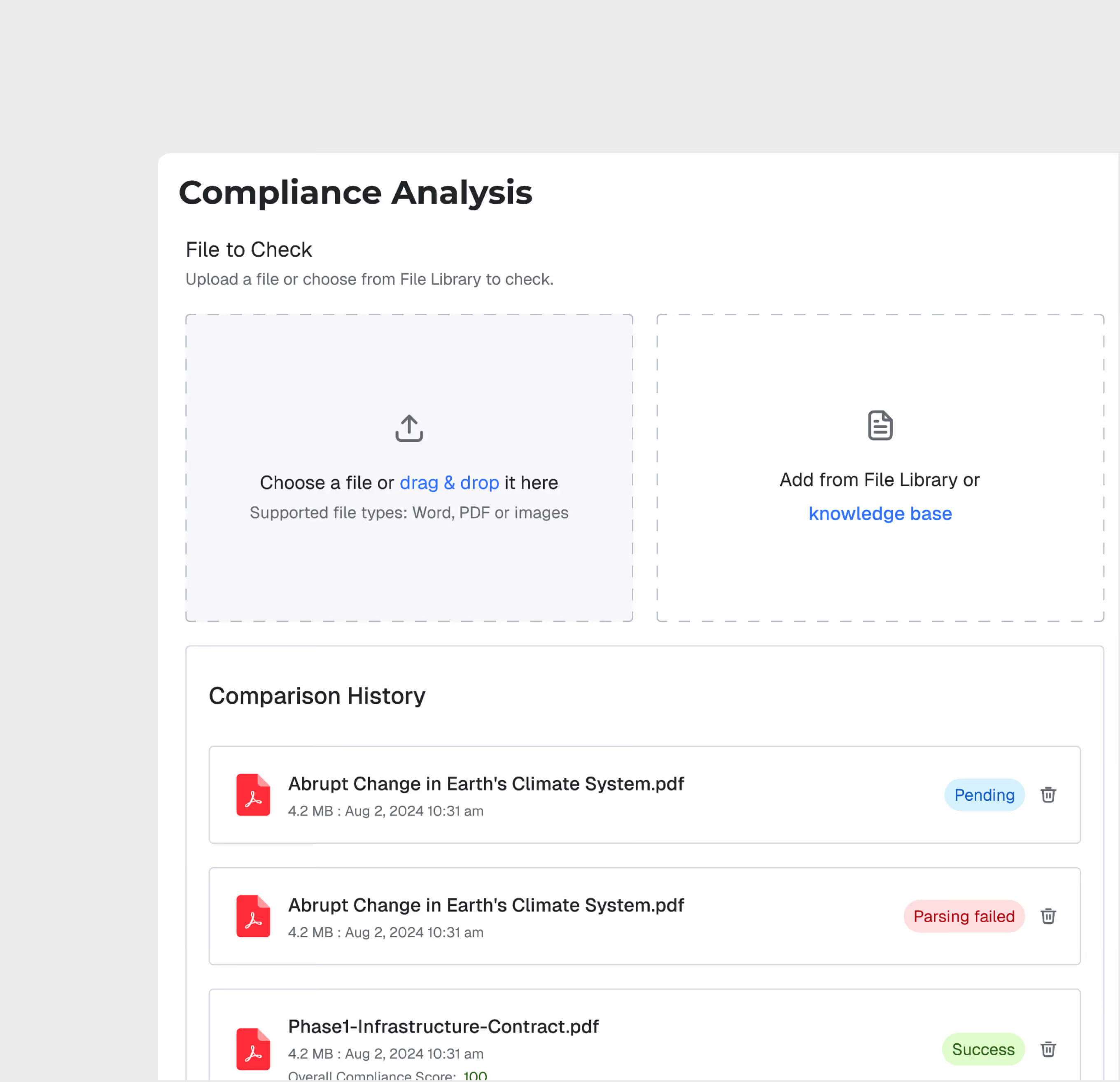
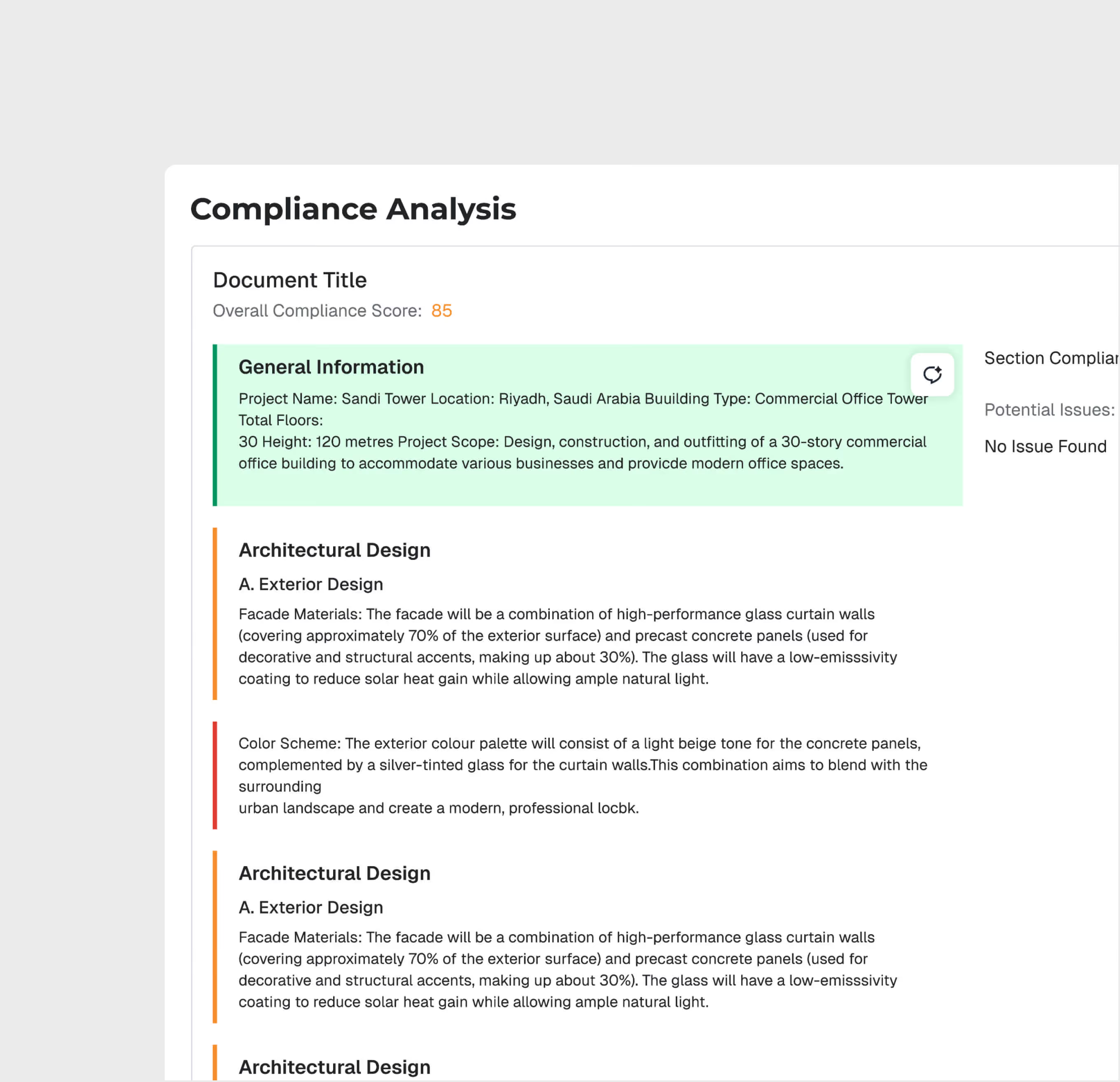
Scan project documents against any building code (including SBC), fire safety code, and environmental regulation. The AI identifies non-compliant sections and provides clause-level references for remediation.
Multi-Standard Evaluation
Check compliance across multiple standards simultaneously — building codes, fire safety, environmental regulations, and project-specific requirements — in a single analysis run.
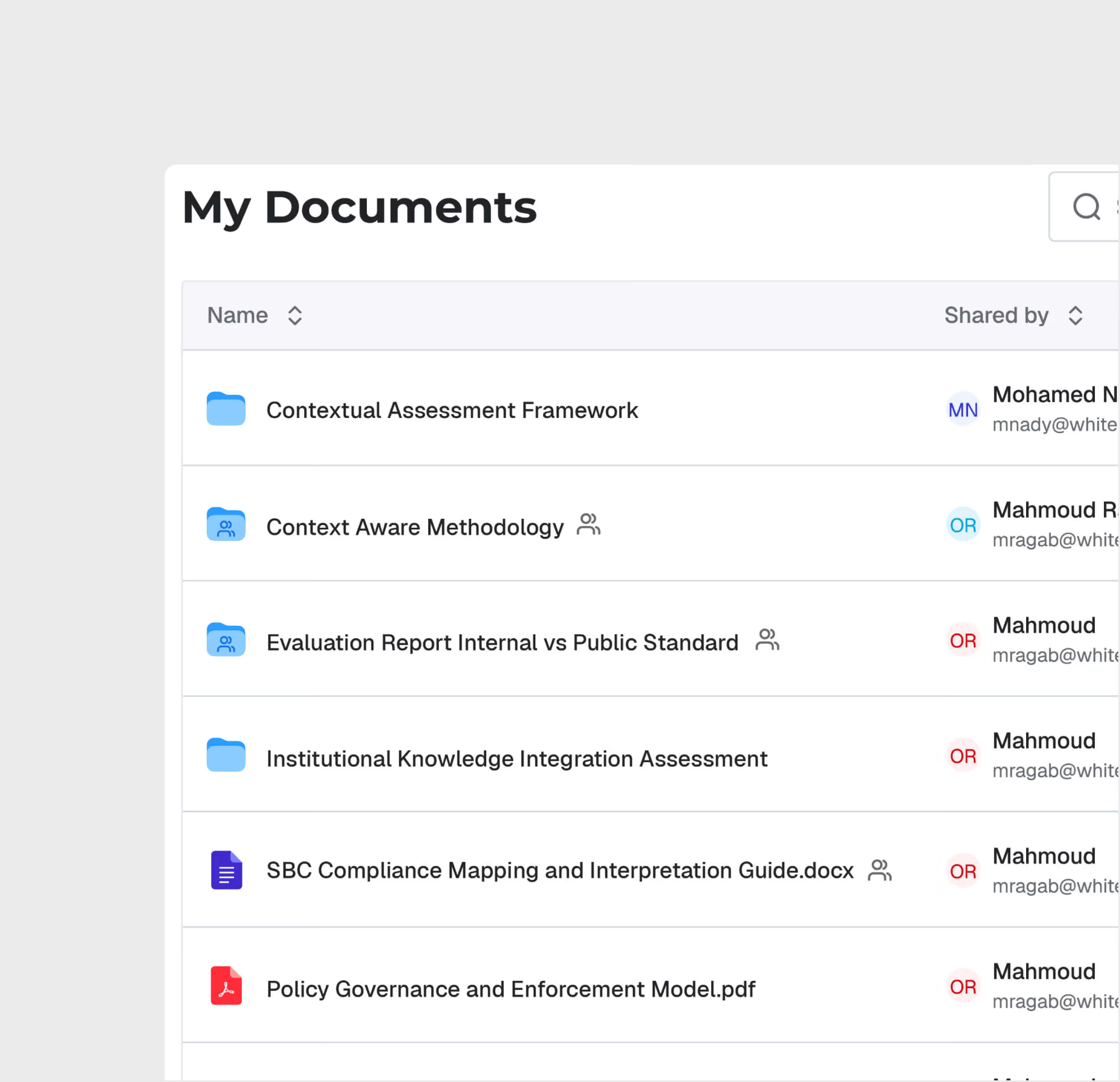
Knowledge Base Integration
Upload your organization's compliance standards and regulatory interpretations. The AI uses your institutional knowledge alongside public codes for context-aware evaluation.
Clause-Level Gap Reporting
Get precise identification of which clauses are non-compliant, with direct references to the applicable code sections and suggested remediation actions.
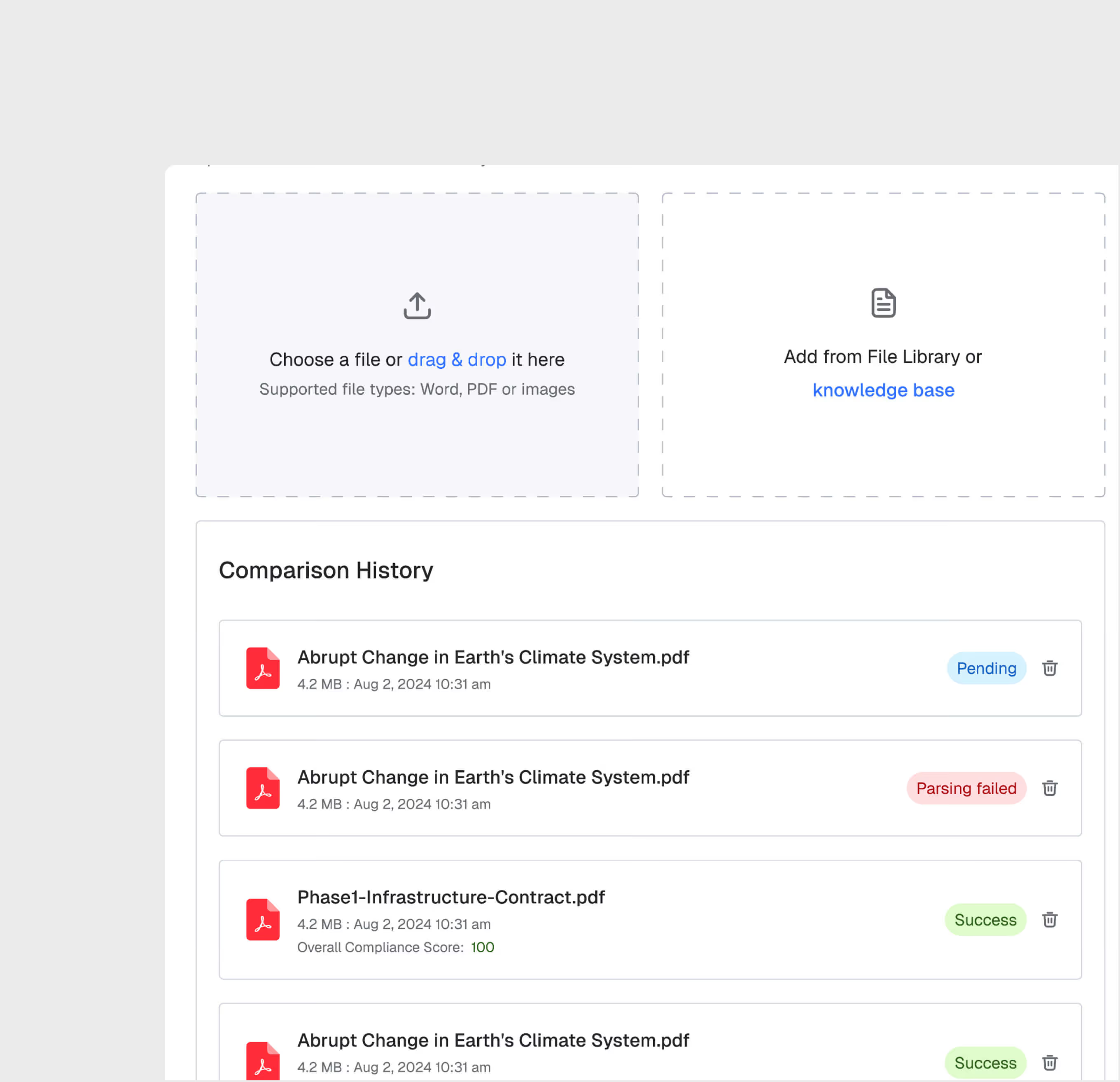
Analysis History with Audit Trail
Maintain a complete record of every compliance check — input documents, standards applied, findings, and resolutions — for regulatory audits and project handover.
AI Compliance Analysis is most useful for:
Technical Engineering Department
Automated Code Verification
Replace manual page-by-page code checking with AI that scans entire document sets against multiple standards simultaneously.
Permit Department
Faster Permit Submissions
Submit permit applications with confidence by pre-checking compliance before submission — reducing rejection cycles and accelerating approvals.
Project Manager
Regulatory Risk Mitigation
Identify compliance gaps early in the project lifecycle when remediation is inexpensive, rather than discovering violations during inspections.
"We reduced our SBC compliance review cycle from 6 weeks to 3 days. The AI caught two fire environmental gaps that would have delayed our building permit by months."
.avif)
Frequently asked questions
Yes. All geo-tagged incidents are displayed on the GIS map, enabling spatial analysis of incident patterns and high-risk zone identification.
GIS 3D supports IFC and RVT for BIM models, LAS/LAZ for point clouds, and standard image formats for drone orthomosaics and aerial imagery.
Yes. GIS 2D and GIS 3D share the same geospatial foundation. You can switch between 2D planning views and 3D visualization views seamlessly.
When an incident is logged, the user selects the appropriate SOP-based workflow based on incident type and severity, guiding investigators through each required step.
WhiteHelmet products AI Compliance Analysis works well with

Field Intelligence
